Emotion Icon: A Versatile Symbol for Creative Expression
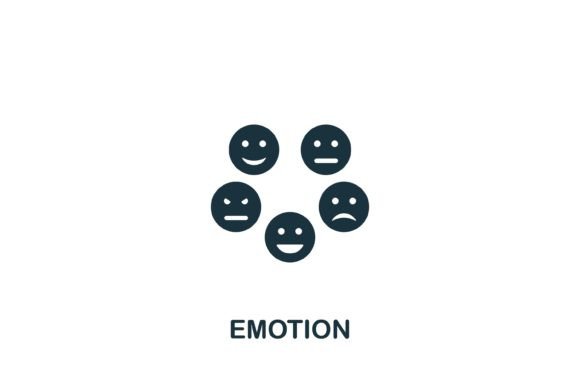
The Emotion Icon, a simple yet powerful line element symbol, serves as an essential tool in the world of web design, infographics, and template creation. This brain process symbol is not just visually appealing but also highly functional, making it a valuable asset for professionals and creatives alike.
Understanding the Emotion Icon
The Emotion Icon is designed to represent the complexity of human emotions through a minimalistic approach. Its simplicity allows for easy integration into various design projects, from educational materials to marketing campaigns. The icon's clean lines and clear concept make it instantly recognizable and universally relatable.
Key Characteristics and Strengths
- Simplicity: The use of basic shapes and lines makes the Emotion Icon easy to understand and use across different platforms.
- Versatility: It can be adapted to fit a wide range of design needs, whether for digital or print media.
- Symbolic Depth: Despite its simplicity, the icon conveys a profound message about the human experience, making it a meaningful addition to any project.
Practical Value and Real-World Use
In real-world applications, the Emotion Icon proves to be a flexible and reliable resource. For instance, in web design, it can enhance user engagement by adding a touch of emotional connection to the interface. In infographics, it helps to visually represent data related to mental health, cognitive processes, and emotional well-being, making complex information more accessible and engaging.
Quality and Usability
The Emotion Icon is available in multiple file formats, including EPS, JPG, AI, and SVG. This variety ensures that the icon can be easily edited and integrated into different types of projects. The high-quality vector graphics maintain their clarity and sharpness at any scale, which is crucial for both digital and print applications.
Consistency and Reliability
One of the standout features of the Emotion Icon is its consistency. Whether used in a professional report, a creative blog post, or a detailed infographic, the icon maintains a uniform appearance, contributing to a cohesive and polished look. This reliability is particularly important for maintaining brand identity and professional standards.
Who Can Benefit from the Emotion Icon?
The Emotion Icon is particularly beneficial for professionals such as marketers, designers, and educators who need to communicate complex ideas in a simple and engaging way. For example, marketers can use it to create emotionally resonant advertisements, while educators can incorporate it into lesson plans to help students better understand psychological concepts.
Realistic Examples and Recommendations
Consider a scenario where a small business owner is creating a mental health awareness campaign. The Emotion Icon can be used in social media posts, brochures, and posters to visually represent the importance of emotional well-being. Similarly, a blogger focusing on personal development can use the icon to illustrate articles on mindfulness and self-care, enhancing the reader's understanding and engagement.
Possible Limitations
While the Emotion Icon is highly versatile, it may not be suitable for all contexts. For projects requiring a more detailed or specific representation of emotions, additional icons or illustrations might be necessary. Additionally, the effectiveness of the icon can depend on the audience's familiarity with the concept it represents.
Overall, the Emotion Icon is a valuable and practical tool for anyone looking to add a touch of emotional depth and visual appeal to their designs. Its simplicity, versatility, and high-quality execution make it a go-to resource for a wide range of creative and professional projects.